Skiing in January: Is it Worth It and Where is Best to Go?
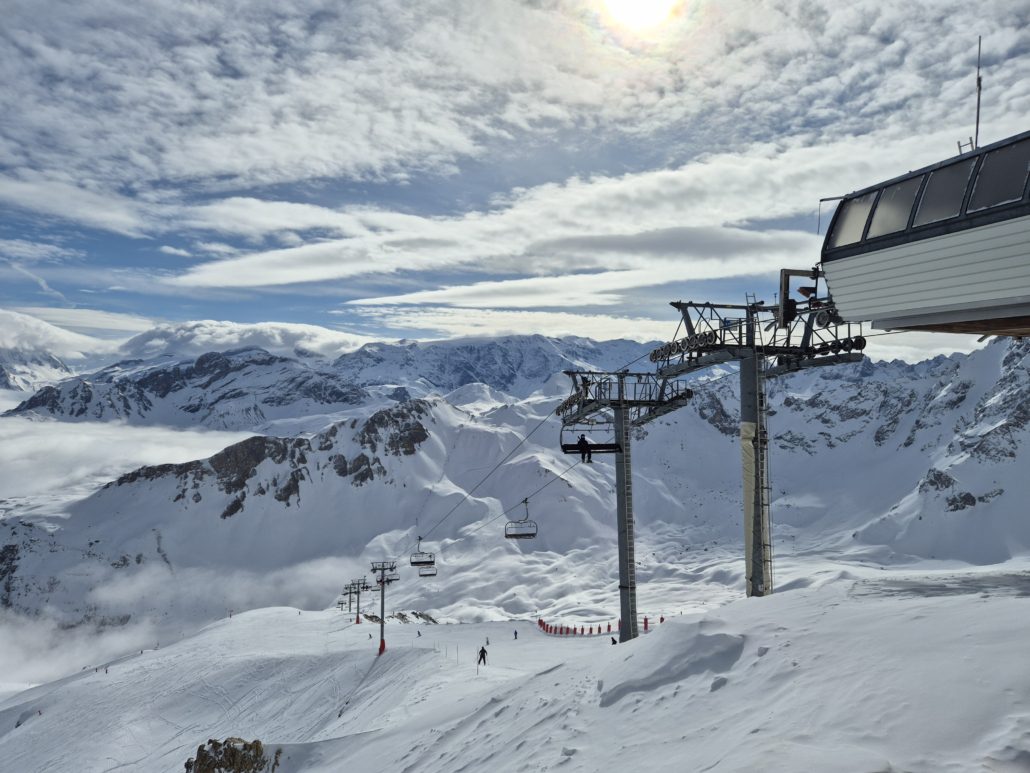
Skiing in January might not be the first time that springs to mind when you’re planning a winter break, but honestly? It’s when the real magic happens. After the merry Christmas throngs have melted away and before half-term holidays, January offers something special: pristine snow, quiet slopes, brilliant value, and the chance to have the slopes almost to yourself!
Whether you’re a seasoned skier keen for fresh powder, beginners looking for space to learn, or friends seeking a winter adventure with the mountains to yourselves, the Three Valleys in January is genuinely hard to beat. We’ve been helping guests discover this for themselves since 1996, and here’s what you need to know about making January your best ski trip yet.
Is January Good for Skiing?
January is genuinely one of the best months to ski in Europe. After the post-Christmas festivities, you get a window of opportunity that combines everything you want from a ski holiday: excellent snow, quiet slopes, great value, and that special January light that makes the mountains feel almost untouched. The question isn’t really “is January good for skiing?” but rather “why haven’t you already booked?”
Snow Conditions & Reliability in January
The Three Valleys opens for 150 days a season, and January sits right in a sweet spot for snow reliability. With 85% of the resort’s runs sitting above 1,800 metres, you’re guaranteed consistently great conditions throughout the month. Unlike some lower resorts, the Three Valleys’ high altitude means Mother Nature generally gets the job done. Cold January temperatures mean that whatever snow falls stays pristine and well-preserved, and the huge ski area accessed by the lift system means plenty of options for powder runs .
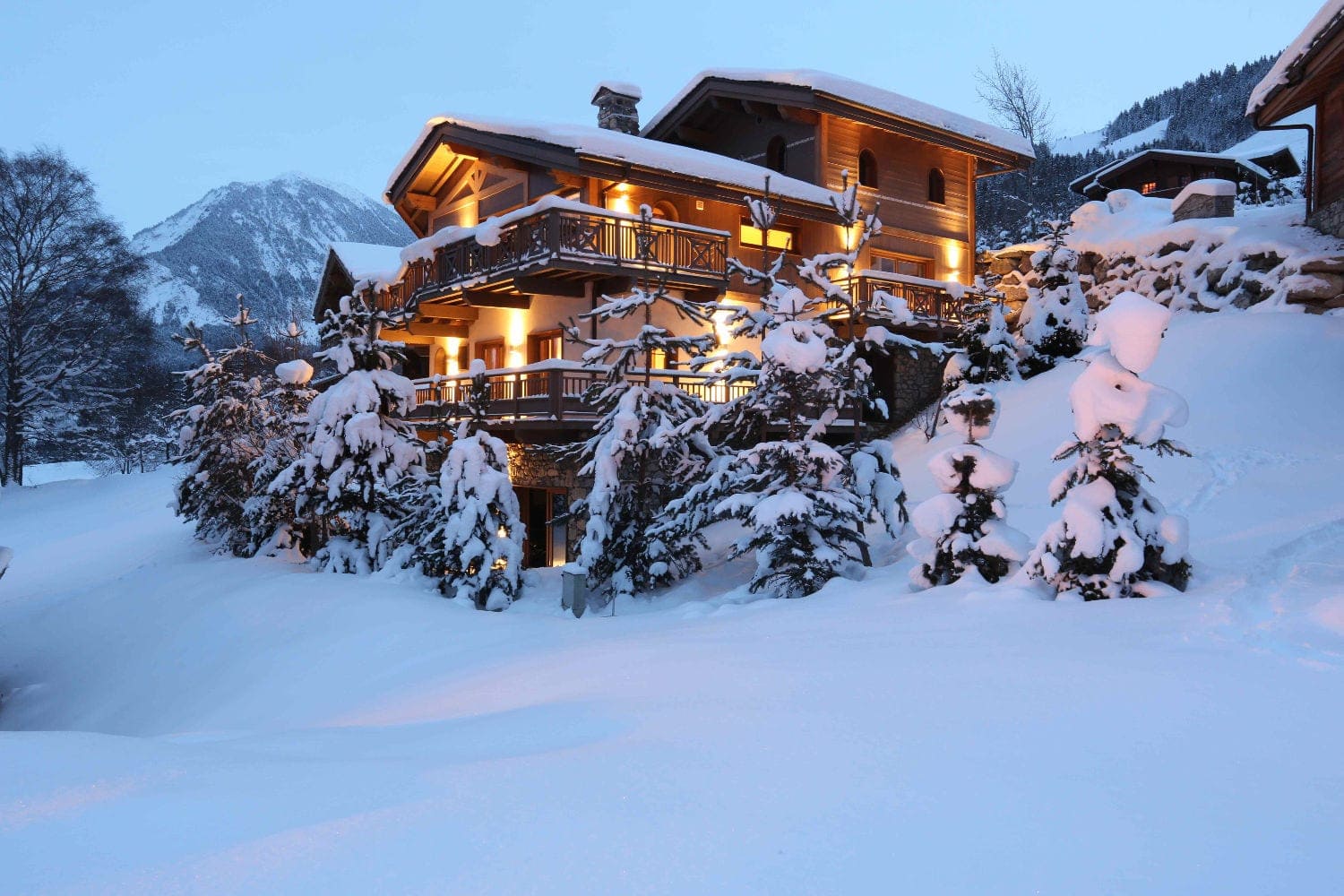
At this point in the season, the mountains have had sufficient snowfall to build a solid base. The powder from recent precipitation is still fresh, the pistes are well-groomed, and the off-piste terrain is accessible for those with the skills and equipment to explore it. The lightest powder needs colder temperatures, so wrap up warm and make time for hot chocolate stops, and your heart will be won over by skiing in January. We have chalets with log fires and hot tubs, so there is plenty of opportunity to get cosy on those magical wintry nights.
Why January is Quieter Than Other Months
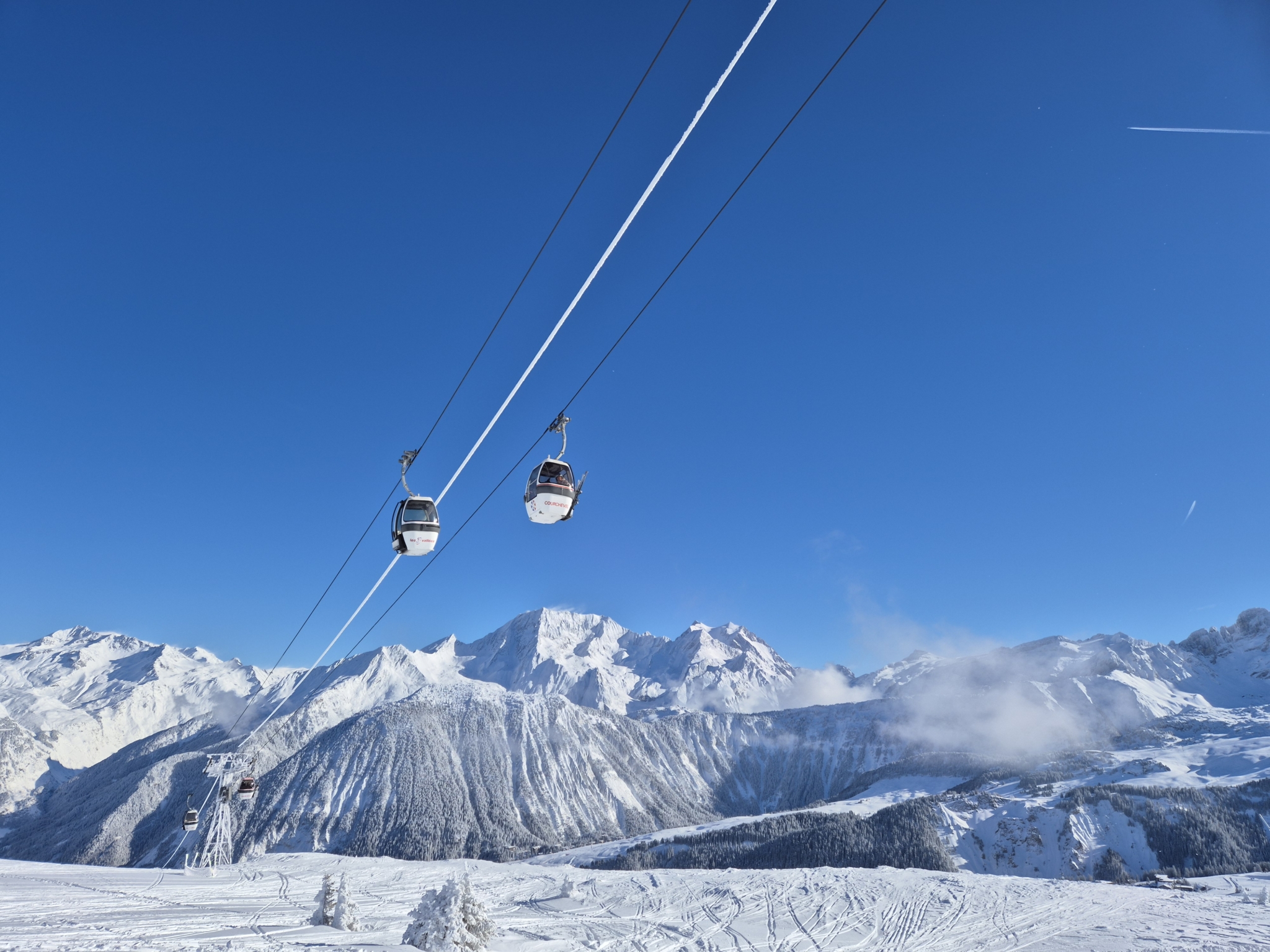
Here’s the thing about skiing in January: it sits in a unique pocket of the ski calendar. The Christmas holidays have finished, families are back at school, and February half-term hasn’t started yet. Between January 2nd and mid-January, ski resorts experience what locals call “the sweet spot” – slopes where everyone has space to carve comfortably, with rare or limited lift queues.
And with fewer people on the slopes, the pistes stay smooth and well-groomed, which for beginners, is transformative. For experienced skiers, it’s pure joy.
Is it Worth Skiing in January?
Yes, January is excellent for skiing. The Three Valleys receives reliable snow cover with 85% of runs above 1,800m, guaranteeing quality conditions. It’s quiet, offers great value, has limited lift queues, and it’s no problem to get a table in bars and restaurants
4 Reasons to Ski in January
1. Great Value Accommodation & Deals
Skiing in January represents incredible value. Quiet slopes also means discounted rates on lift passes compared to peak season prices.
When you book a catered chalet with Ski Magic in January, you’re getting exceptional value. Your accommodation includes meals and often wine, meaning you’ve already sorted a major holiday expense. For group bookings, skiing in January is particularly sweet as even friends or family with tighter budgets can join in the fun with a shared chalet.
2. Shorter Lift Queues & Confident Skiing
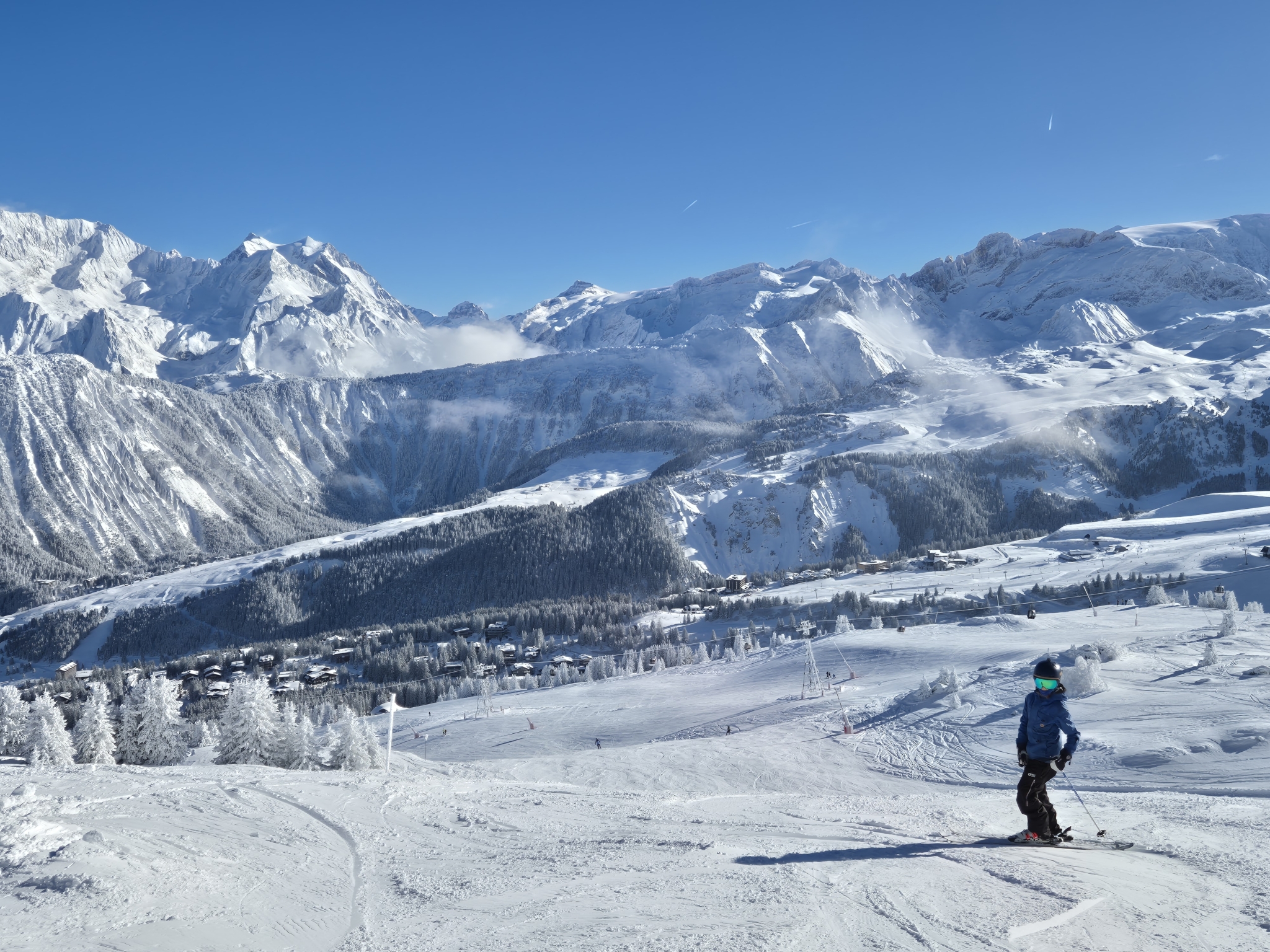
In the Three Valleys in January, you’ll often find yourself at the bottom of a lift sliding straight on. This changes everything, especially if you’re learning. More runs mean more practice, more confidence, and genuinely better progression.
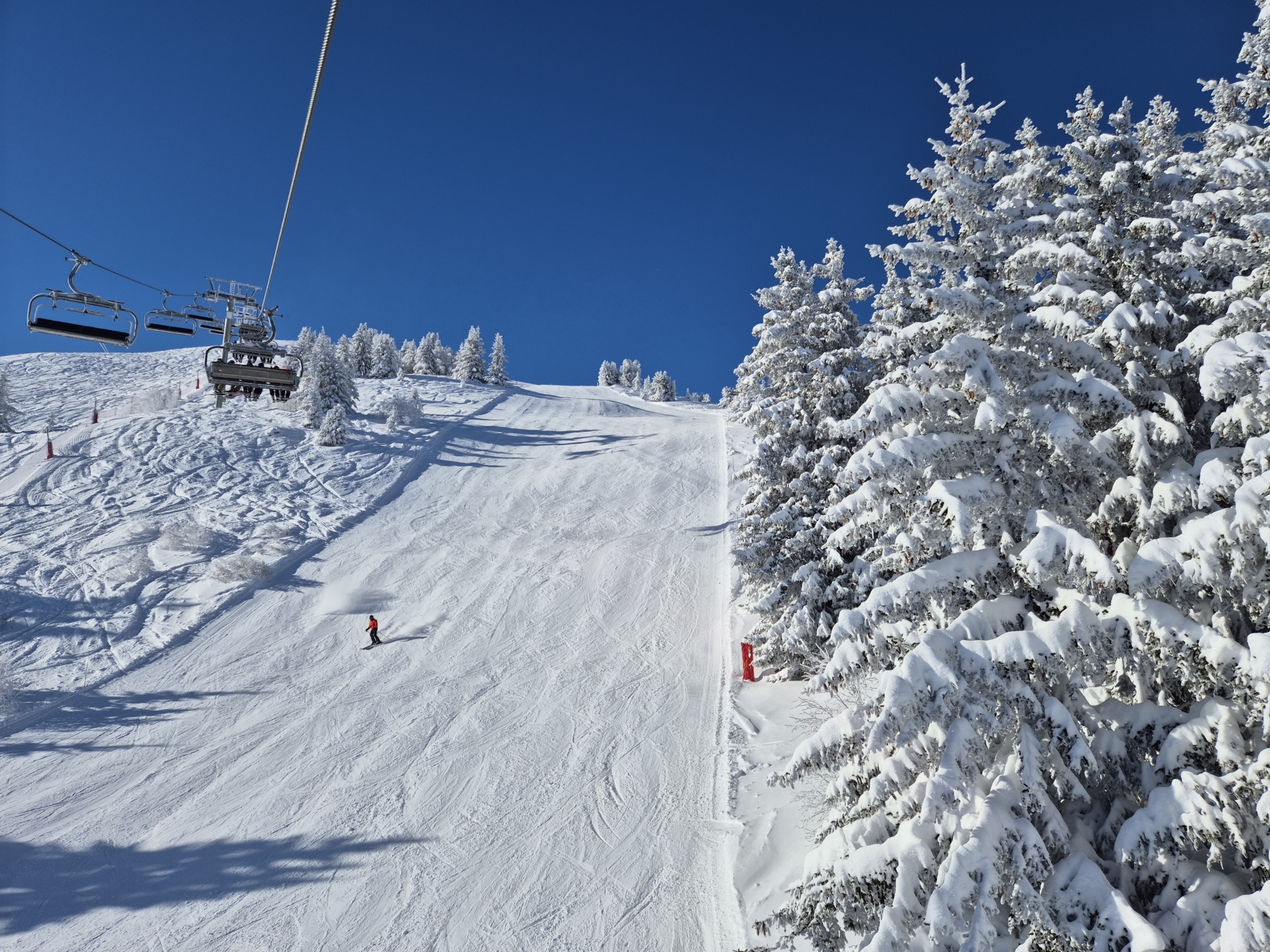
Shorter queues also mean smoother slopes which make it much easier to perfect your carving technique. Not only that, but the powder runs are less tracked, so you can enjoy that amazing feeling of floating through fresh snow, much more easily. Top tip: check the live piste map on the Three Valleys app, so you can see which pistes have been groomed overnight!
When you choose to ski in January, you can expect well-groomed pistes, accessible off-piste terrain, and slopes that stay in good condition throughout the day because fewer people are skiing them.
3. Perfect for First-Time Skiers & Snowboarders
If you’re bringing beginners or are early on in your journey towards mastering your technique, January is a dream because quiet slopes mean less intimidating learning environments. Your ski school instructor can help you find the best and smoothest pistes, to give you space to build confidence without dodging other people. Learner skiers and snowboarders can progress at their own pace without feeling rushed or pressured.
4. Excellent Powder & Off-Piste Conditions
The weather in the Three Valleys in January typically brings significant snowfall. (Ideally overnight with blue skies the next morning – a dream come true!)
With its combination of high altitude and aspect variety, the fresh powder is topped up regularly during January, refreshing pistes, creating deep powder and making the pine forests look absolutely picture-perfect. And because fewer skiers are cruising around the terrain, off-piste runs stay untracked for longer. We definitely recommend exploring off-piste terrain with the expertise of a mountain guide or ski instructor, not only because they can help you stay safe, but also because their local knowledges helps sniff out the best snow. All in all, January guarantees some of the best skiing in the Three Valleys.
Where’s Best to Ski in January? The Three Valleys Guide
Why the Three Valleys is Perfect for January Skiing
The Three Valleys isn’t just big, it’s also thoughtfully designed. With 600km of linked pistes across three interconnected resorts, there’s a variety here that you simply don’t find elsewhere. Whether conditions are powder-heavy or well-groomed, you’ve got options. Whether you’re a nervous beginner or an expert backcountry skier, there’s terrain that suits you. The scale means you can genuinely spend a week here and rarely ski the same run twice. And the variety means mixed-ability groups can stay close – beginners on blue runs, intermediates on reds, advanced skiers on blacks – all within easy reach of each other.
La Tania and Le Praz- Best for Tree Skiing
La Tania is one of the six villages which make up the famous French ski resort of Courchevel. It has a reputation for being friendly and offering great value with chalets close to the slopes.But it also has a secret weapon: on a snowy day, local folk know that the forest runs of La Tania and Le Praz are THE place to be in Courchevel. Skiing runs such as Folyeres and Eclipse which weave among pine trees mean visibility is so much better than in higher altitude, more open areas. So if snow is forecast, head to these spots and join the locals. Our chalets here (Chalet Brigitte, Chalet Matisse Haut, and Chalet Matisse Bas in La Tania, and Chalet Chez Mamie or Chu Lo Dou in Le Praz) are perfectly positioned for January powder-hunters!.
Méribel – Best for Mixed Ability Groups
Méribel lies at the heart of the Three Valleys, sitting between Courchevel to the East and Val Thorens to the West. This is where mixed-ability groups thrive. The resort has the right balance of terrain, atmosphere, and facilities. Whether you’re skiing reds while your friend tackles blacks, or you’re all meeting up for lunch mid-mountain, Méribel makes it work seamlessly.
In January, you still get the lively atmosphere and excellent restaurants of Meribel, but with fewer queues and a more relaxed pace. The après-ski is still buzzing, and crucially, the skiing in Meribel in January is outstanding – this is where the Three Valleys’ piste variety really shows itself. If you’re bringing a group where not everyone is at the same level, Méribel is your answer. Chalet Loden gives you a brilliant base here.
Courchevel – Best for Advanced Skiers
Courchevel sits at the top of the Three Valleys hierarchy. It’s where serious skiers go, and January is genuinely the best time to experience it. The terrain is consistently challenging, the off-piste options are world-class, and the facilities reflect the calibre of the resort.
Skiing in Courchevel in January offers something special: excellent snow, minimal crowds on challenging terrain, and that sense of skiing somewhere genuinely special. The predominantly north-facing terrain means that the whole resort is in prime condition, and the piste-grooming here is – word has it – the best in the world. When you ski Courchevel’s perfect corduroy pistes in January, you’ll never ski anywhere else again! For experienced skiers, the combination of fresh powder, excellent conditions, and quiet slopes is honestly unbeatable. Chalet Chu Lo Dou, Chalet Chez Mamie and our La Tania chalets all offer the perfect base for exploring everything Courchevel and the wider Three Valleys have to offer.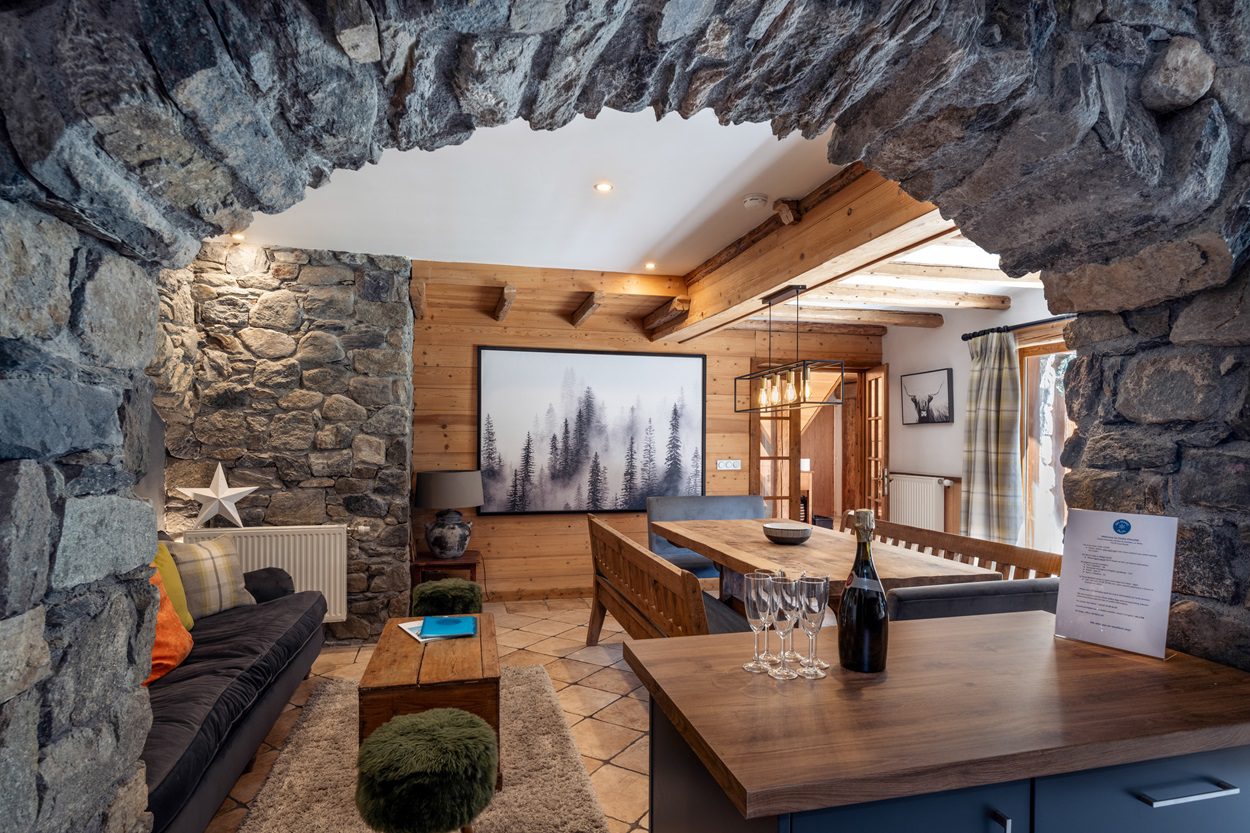
What to Expect in the Three Valleys in January
Weather, Snow, & Conditions
January in the Three Valleys is cold (but not Canada cold!) – expect temperatures around -2°C to -10°C at the base villages, but colder at altitude. This cold is actually perfect for skiing: it keeps the snow in excellent condition, means consistent conditions throughout the day, and prevents the sort of spring-like melting that can happen later in the season. And of course, it is also the perfect excuse to stop for a coffee, lunch, hot chocolate or vin chaud!
Equipment you might need for January skiing includes low light goggles in case of snowy days, avalanche gear for skiing off piste (probe, shovel and transceiver), and definitely thermal underwear! Even though it’s cold, don’t forget the SPF factor 50 sunscreen! The bright sunshine and reflective snow still have plenty of potential to damage your skin.
One of the most surprisingly cool things about skiing in the heart of winter is seeing the sun start to set as you take your last runs of the day. Not only this, but here in the Three Valleys in January, we often have “cloud inversions” – when the clouds sit low in the valley but it’s bright blue at the top of the mountain. Called a “mer de nuages” (sea of clouds) in French, it’s an amazing weather phenomenon to experience and makes you feel pretty smug that you are cruising around in the sunshine while the people below are stuck in fog!
The skies and the weather in January can be utterly stunning – and make for some impressive photos.
How to Stay Warm Whilst Skiing in January
Surprisingly, it can be coldest even though the sun is shining brightly and the sky is blue, whereas cloudy or snowy days often don’t feel so chilly. But rest assured, there are many techniques (learned the hard way!) to maintaining your warmth whilst skiing on cold days.
Here are Our Top Tips on Staying Warm on the Slopes:
- Wear natural fabric tops and leggings eg. merino as a base, then pile on the layers: a fleece, a down jacket and a windproof/waterproof shell will do the trick nicely. You can also get inner gloves to help keep your fingers from freezing.
- Also take a rucksack with extra layers just in case
- Stop in the bars, restaurants or picnic rooms to change and warm up before you really start to struggle. The colder you get, the harder it is to warm up.
- Don’t double up on socks, even though its tempting! The extra thick layer can mean too much pressure on your nerves which actually reduces circulation.
- If you have a thermal flask water bottle, put warm water from the chalet kettle in and when you start to fill the chill, take a few glugs from it. Warming up from the inside is the quickest way to re-heat, and of course you must stay hydrated in the mountains.
- You might notice people waving their arms around like windmills on a cold day. Join them! It’s the best way to boost circulation to the fingertips (especially if you have Raynaud’s Syndrome)
- You can get cold quickly when standing around, so ski with others of a similar level to avoid waiting, and be clear about meeting points to avoid standing still.
- The best lifts to keep warm: Foret in Le Praz, Legends in Meribel, Verdons, Chenus or Vizelle in Courchevel, Tougnete and Plattieres in Meribel.
Après-Ski & Mountain Activities
Skiing in January might mean quiet slopes but it doesn’t mean boring evenings. Three Valleys resorts have excellent restaurants, bars, and entertainment throughout the season, with live music, DJs and apres-ski.
- La Tania has a fun and friendly vibe with cosy bars, live music and good value drinks.
- Méribel has a more vibrant nightlife, with excellent restaurants and legendary apres-ski and nightlife options.
- Courchevel Le Praz is sophisticated and lively with bars to suit all sorts of budget (ask your chalet host for some recommendations!)
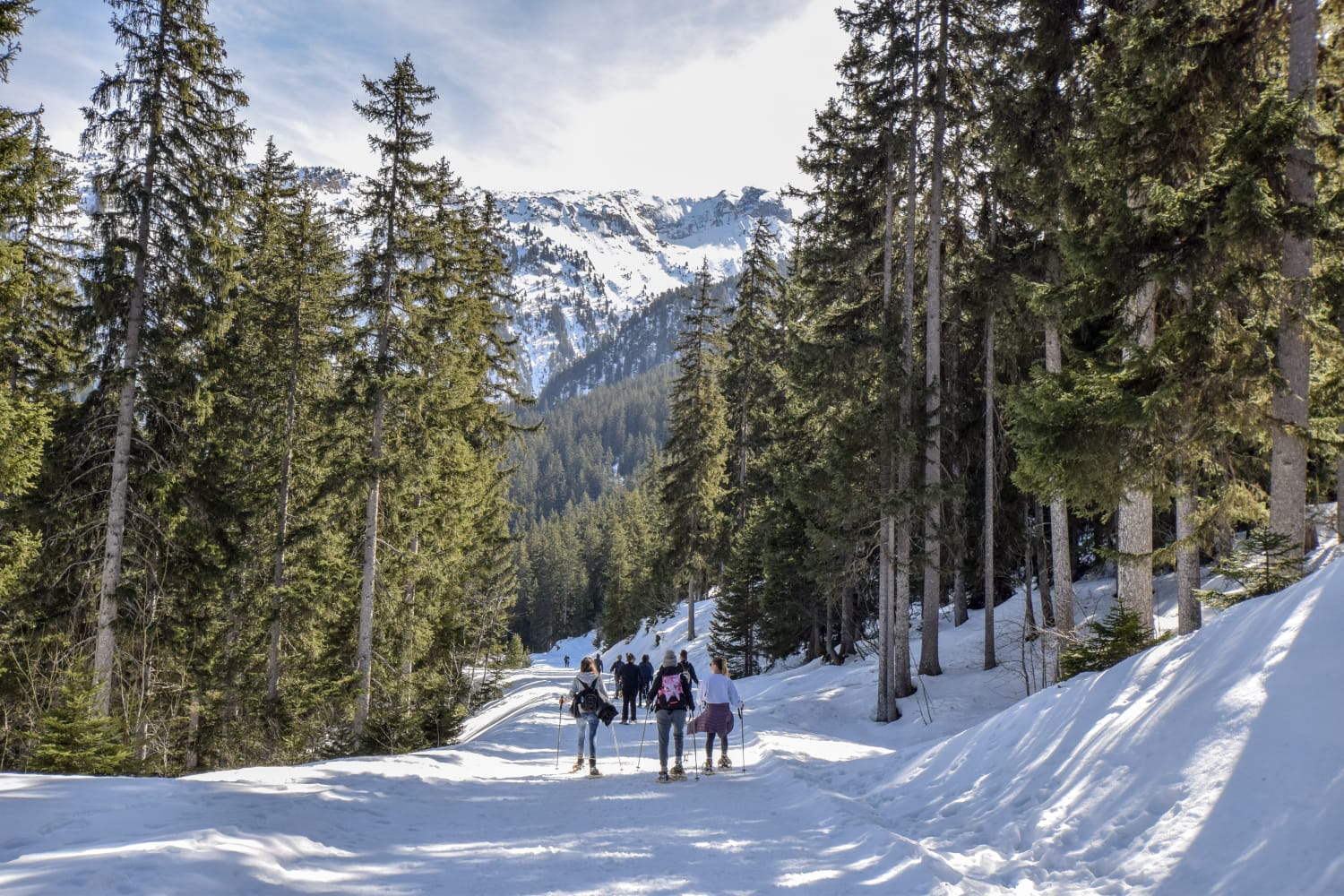
Beyond the villages, mountain restaurants offer stunning views and great food options. In January’s clear weather, views from the summits are often spectacular. If you’re not skiing all day, winter activities like snowshoeing, sledging, and mountain walks are entirely feasible, and even more beautiful after fresh snow.
Dining & Local Experiences
The French Alps have an exceptional food culture, and the Three Valleys is no exception. Restaurant quality is high and varied, and in January, you can experience it without the crowds (although booking ahead is still advised!).
Chalet dining is a great value option for January skiers. If you opt for a catered chalet with Ski Magic, you’re getting dinner party-style meals prepared by experienced chalet hosts – breakfast before skiing, dinner in the evening with local wine included. It’s one of those things that makes a ski holiday genuinely stress-free and memorable.
How to Plan Your January Ski Holiday
When to Book for Best Availability
January is the best window for last minute availability and value. This is after the Christmas and New Year holidays end but before half-term starts, so resorts are at their quietest. Booking for this period often gets you the best rates and widest choice of chalets. We typically see January availability fill up quite quickly once people realise how brilliant it is, so early booking pays dividends, although you might be able to find a last minute ski deal.
Catered vs. Self-Catered Chalets
This comes down to what you want from your holiday. Catered chalets (half-board) include breakfast and dinner, with wine included. There’s also the bonus of chalet afternoon tea to warm you up when you return from the slopes. You would usually handle lunch yourself (either packed lunches you take skiing, or dining in mountain restaurants). This removes a huge amount of holiday stress – you’re not shopping, cooking, or doing evening logistics. It’s genuinely relaxing!
Self-catered chalets give you complete freedom and flexibility. You shop when you want, eat when you want, and have total control over your experience. It’s excellent if you’re a confident group or family, but it does require more planning and effort, although there are no end of options for snacks and eating out.
For first-time skiers, families with young children, or anyone wanting a genuinely stress-free holiday, catered is transformative. You ski, come back tired, have a hot shower, and dinner is ready. No thinking required. For groups of friends or experienced skiers who want flexibility over what time and where they eat, a self-catered option might suit better.
What to Pack for January Skiing
Layers are essential for skiing in January. You’ll start cold in the morning and warm up significantly once you’re skiing. Thermal base layers, mid-weight insulating layer, and a waterproof outer jacket are non-negotiable. The Three Valleys is not known for being windy, but if the wind-chill arrives, you’ll know!
Don’t underestimate sun protection. January snow reflects brilliantly, and the sun is strong at altitude. Sunscreen and sunglasses are as important as they are anywhere else. Lip balm too – cold, dry mountain air will crack lips fast.
Most importantly, pack enthusiasm and realistic expectations. January skiing is excellent, but it’s still winter and the weather in the mountains can change quickly. Embracing this makes all the difference to the enjoyment of your ski holiday!
The Bottom Line: Is Skiing in January Good?
So, is skiing in January worth it? Absolutely. You get world-class snow, genuinely quiet slopes, exceptional value, and the chance to experience the mountains the way locals do.
Whether you’re a complete beginner finding your feet, a family making memories together, or an experienced skier chasing fresh powder – January delivers something special.
Our chalets are perfectly positioned across La Tania, Méribel, and Courchevel, each one catered to make your January break genuinely stress-free. We’ve been helping guests discover the magic of January since 1996. Let us help you discover it too.
Or if you’d prefer a chat first, give us a ring on 0844 9933 686 (UK) or +33 (0)479 221 187 (France). We’re here to help.
Frequently Asked Questions About January Skiing
Q: Where is it best to ski in January?
A: The Three Valleys in France is genuinely one of Europe’s best destinations for January skiing. With 600km of linked pistes at high altitude (85% above 1,800m), you get reliable snow, excellent terrain variety, and relatively quiet slopes. If you’re an expert seeking the thrills of off-piste, resorts like Val Thorens or Tignes are a great option. For a more rounded experience for mixed groups, good visibility on snowy days and an amazingly efficient lift system, the Three Valleys is hard to beat.
Q: Is January a good month for skiing?
A: Yes, it’s excellent. After holiday crowds fizzle out, you get consistent snow, shorter lift queues, and some of the best skiing conditions of the season. The main downside is the cold temperatures – but if you’re prepared for that, then you get amazing snow! January is definitely one of the best months to ski.
Q: Where in Europe has snow in January?
A: Pretty much anywhere above 1,800m has reliable snow in January. The French Alps (Three Valleys, Chamonix, Val d’Isère), Swiss resorts (Zermatt, Andermatt, Verbier), and Austrian resorts (St. Anton, Ischgl) all offer excellent January conditions. Look at lower-altitude resorts in Andorra or the Pyrenees as good choices for budget options.
Q: What is the cheapest month to go skiing?
A:April and January are the best months for a cheaper ski holiday as demand is not so high out of peak weeks. If you’re looking for excellent value with incredible skiing, January is hard to beat.
Q: Are ski resorts crowded in January?
A: Not really. Early January (after New Year and until mid-January) is genuinely quiet. Mid-to-late January is a bit busier, but still not so crowded as half term can be. Choose January and you’ll enjoy shorter lift queues and amazing snow quality throughout the day.
Q: Is January an expensive time to ski?
A: No. January is actually a good opportunity for a last minute ski trip and offers great value for accommodation which is ideal when sticking to a budget.A catered chalet where meals and wine are included is the best way to manage your ski holiday budget, as there are fewer costs in resort.
Q: Can young children ski in January, or is it too cold?
A: Children can absolutely ski in January. The cold keeps the snow in excellent condition, and fewer crowds mean relaxed learning environments and good value accommodation. Make sure they’re properly dressed in layers, waterproof jackets, and good gloves, and stop to warm up regularly.
Q: What’s the difference between January and February snow conditions?
January typically has fresher powder because recent snowfall hasn’t been tracked out yet. February is busier (due to school holidays), meaning pistes get more use and snow quality can deteriorate. Both have excellent conditions and there is snowfall on and off through the whole winter season, but January probably offers slightly better snow quality and significantly fewer people on the slopes.


Leave a Reply
Want to join the discussion?Feel free to contribute!